


How Scammers Fake SMS From Police, Embassies, or Family Abroad – And How to Spot the Fake
“Uncle, I’m in jail in Dubai. The police say I need 30,000 AED for bail. Please send money via STC Pay. Don’t tell Ammi.”
You read this message and your pulse spikes. But the number isn’t your nephew’s usual contact. It’s a Dubai code – +971 -and the wording feels oddly formal for someone you’ve raised like a son.
This is not an emergency.
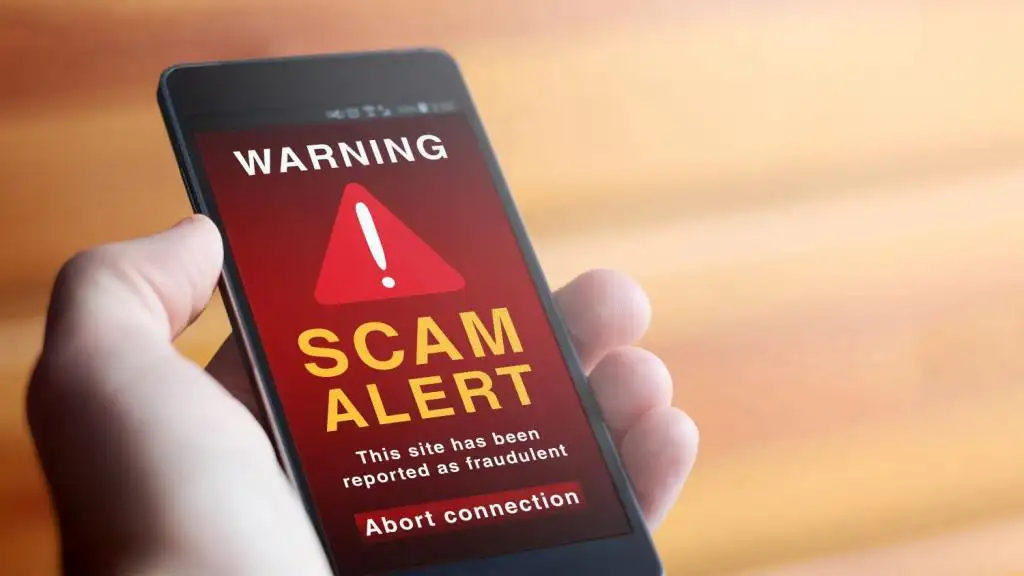
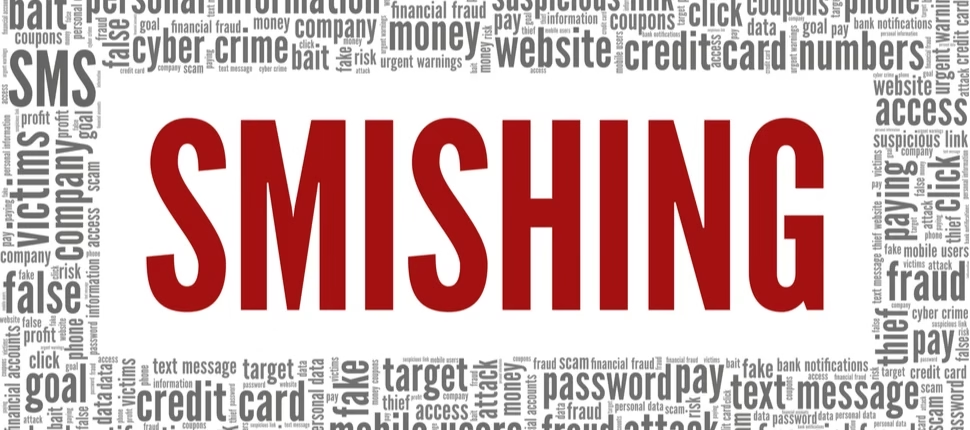
It’s a smishing scam – a text-based phishing attack — and it’s one of the fastest-growing fraud methods targeting families across South Asia and the Gulf.
What Is Smishing – And Why It’s Spreading
Smishing combines the personal nature of SMS with the urgency of a family crisis. Unlike email, text messages land directly on your phone — a space people trust implicitly. Scammers exploit that trust.
In 2024, the U.S. Federal Trade Commission reported that text-based scams caused $330 million in losses — surpassing email scams for the first time. While comprehensive data from Pakistan and the Gulf is still limited, PakCERT and the UAE’s Telecommunications and Digital Government Regulatory Authority (TDRA) have issued repeated public alerts about identical scams since late 2024.
These attacks share a common pattern: a loved one is allegedly detained abroad, and only immediate payment can resolve the situation.
How the Scam Works
Step 1: Number Spoofing
Scammers use low-cost apps to mask their number – making it appear as a local Dubai prefix (+971), a Saudi code (+966), or even a number that closely resembles your relative’s. This is called caller ID spoofing, and it’s legal for scammers in many jurisdictions.
Step 2: The Emotional Hook
The message always includes:
- A specific location (e.g., Dubai Airport, Riyadh Police Station)
- A family role (“nephew,” “son,” “cousin”)
- A demand for secrecy (“Don’t tell anyone”)
- A time limit (“Pay within 2 hours or he’ll be deported”)
Example:
“Bhai, I’m stuck at Karachi Airport. Immigration says my visa is fake. Need 200,000 PKR via JazzCash. Don’t tell Dad.”
Step 3: Irreversible Payment
They never ask for a bank transfer.
They demand:
- Mobile wallet payments (JazzCash, Easypaisa, STC Pay)
- Digital gift cards (Apple, Google Play – widely available in Pakistan and UAE)
- Cryptocurrency (less common but rising)
Once sent, the transaction cannot be reversed.
Verified by UAE TDRA (January 2025):
“UAE TDRA confirmed a surge in fake ‘embassy detention’ SMS complaints affecting families of South Asian expatriates.”
Five Red Flags That Reveal a Fake Message
| Warning Sign | Explanation |
|---|---|
| The message arrives without a call | Real emergencies involve voice contact – not just a text. |
| It asks for secrecy | No legitimate authority tells victims to hide help from family. |
| It demands gift cards or mobile transfers | Embassies, police, and consulates never accept payment this way. |
| The number is unfamiliar or slightly altered | It may mimic a known number but differ in one digit. |
| The language is generic or unnatural | Real relatives say “Yaar” or “Dadi” – scammers use stiff, translated phrases. |
Pro Tip from ShortLeap:
If you receive such a message, reply with a personal question only your real relative would know – for example, “What was the name of our dog in 2020?” or “Which hospital were you born in?”
Scammers cannot answer these. They will either ignore you or guess incorrectly.
What to Do If You Receive a Suspicious Message
- Do not reply, click links, or call the number provided.
Even replying “STOP” confirms your number is active. - Contact the person directly using a known number.
Use a number saved in your contacts — not the one in the message. - Verify through official channels.
- Pakistanis abroad: Call the Ministry of Foreign Affairs Helpline: 0800-18000
- UAE residents: Contact Pakistan Embassy Abu Dhabi: +971-2-444-5500 (verify via official website)
- Global: Always use the official embassy website — never a number from a text.
- Report the message.
- Pakistan: Forward to 9999 (PakCERT’s SMS reporting line)
- UAE: Report via the TDRA Consumer App
- U.S.: Forward to 7726 (SPAM)
- Alert your family group.
Scammers often message multiple relatives at once.
If You’ve Already Sent Money
Act immediately:
| Step | Action |
|---|---|
| 1 | Contact your mobile wallet provider (Jazz, Easypaisa, STC) — some can freeze recent transfers if acted upon within minutes. |
| 2 | If you purchased gift cards, call Apple or Google support with the card numbers — cancellation is rare but possible. |
| 3 | File a report with your national cybercrime unit. |
| 4 | Change passwords on all financial apps. |
| 5 | Block the number on WhatsApp and SMS. |
Security Note from ShortLeap:
No embassy in the world asks for payment via WhatsApp, SMS, or gift cards.
If someone claims to be consular staff, ask for their full name and employee ID — then verify it on the official embassy website.
One Key Action Step — Do This Today
Open your family WhatsApp group.
Send this message:
“If anyone ever texts you saying I’m in jail abroad and need money — do not send anything. Call me first. Let’s agree: no gift cards, no secret payments. Ever.”
This simple message could protect your entire family from losing savings they cannot afford to lose.
Next in This Series
Article #1.3: “How to Verify Without Panicking”
A step-by-step guide to confirming real emergencies — using trusted calls, official contacts, and family verification codes.